
Garuda Seva stands as the highest embodiment of Dasya Bhakti (humble servitude) and the philosophy of total surrender in the Vaishnava tradition. On October 16, 2026, from 6:30 PM to 11:30 PM, Lord Sri Malayappa Swamy will grant a divine darshan to devotees on the sacred Garuda Vahanam along the four Mada Streets of Tirumala. The noble form of Garuda, perpetually serving the Supreme Divine, inspires spiritual seekers to embrace selfless, ego-free surrender.
Amidst the relentless anxieties, complex obligations, and daily challenges of human existence, the seeking mind naturally yearns for supreme peace and divine sanctuary. Stepping into the holy hill shrine of Tirumala awakens an elevated spiritual consciousness, renewing devotional fervor within the hearts of visiting pilgrims.
Occurring on the auspicious fifth day of the grand Srivari Navaratri Brahmotsavams, the sacred Garuda Seva represents the crowning glory of temple festivities. Gaining a comprehensive, practical understanding of vahanam procession timings, sacred temple customs, and open viewing arrangements empowers pilgrims to plan their spiritual journey with clarity and tranquility.
Read the complete Telugu edition of this article.
For the wider festival background, read our Tirumala Salakatla and Navaratri Brahmotsavams main guide.
Distinctive Schedule for the October 16 Garuda Seva
The scheduling for the grand Garuda Seva, taking place on October 16, 2026, as the fifth day of the Tirumala Srivari Navaratri Brahmotsavams, differs significantly from the standard procession timings of other festival days. During regular festival evenings, the sacred vahanam processions customarily proceed between 7:00 PM and 9:00 PM. In marked contrast, the auspicious Garuda Vahanam procession commences early at 6:30 PM in the evening and extends continuously until 11:30 PM at night.
TTD’s release of 27 September confirms these special hours but does not explain why this duration was chosen. The morning Mohini procession and evening Garuda Seva are separate events. Visitors considering both can account for the intervening break and their family’s needs. This is a planning suggestion, not an official assurance of access.
Garuda Seva on the fifth day has a prominent place in the festival tradition. The five hours in the timetable refer to the programme’s duration. They do not mean that an individual may enter a preferred gallery at any time or remain there throughout. Programme duration and a visitor’s admission arrangements are separate matters.
Familiarizing oneself with the official timetable in advance enables pilgrims visiting Tirumala to organize their gallery waiting plans in a realistic, well-prepared manner. Throughout this five-hour procession continuing until 11:30 PM, every single movement of the sacred carrier around the temple quadrangle is revered as profoundly holy. Coordinating local transport arrangements, family rest periods, and boarding logistics with this extended nighttime timeframe remains indispensable for a smooth pilgrimage.
Because this Dasara festival’s Garuda Seva is an evening event, it is useful to consider the return journey as well. The procession’s closing time is not a bus departure time. Check the two separately, and give priority to any later official revision. The festival timings here follow TTD’s 27 September announcement.
The Significance of Garuda’s Servitude in Vaishnava Tradition
In Vaishnava theological tradition, Garudalwar is revered not merely as a mythical avian carrier, but as the living embodiment of the sacred Vedas and the foremost among the eternal liberated souls (Nityasuris). Carrying Lord Srimannarayana perpetually upon his mighty shoulders, Garuda exemplifies the highest pinnacle of Dasya Bhakti, or loving divine servitude. As the supreme devotee who actively carries out the divine will upon earth, he occupies an exalted, indispensable place in sanctified temple rituals.
Ancient Puranic lore explicitly affirms that across all one hundred and eight Vaishnava Divya Desams, the Garuda Vahana Seva commands an exceptionally revered spiritual status. Classical Vedic philosophy interprets the two outspread wings of Garuda as direct symbolic representations of transcendent spiritual knowledge (Jnana) and noble dispassion (Vairagya). Renowned Vedantic preceptors frequently elucidate that witnessing this divine vehicle reminds the spiritual seeker of the path of absolute, unconditioned surrender (Saranagati) required to attain the Supreme.
Garuda Seva stands as a living testament to the distinctive Vaishnava doctrine of ‘Dasanudasa Prapatti,’ which signifies finding ultimate spiritual fulfillment in serving the humble servants of the Divine. By personally ascending the shoulders of His beloved devotee and circumambulating the four Mada Streets at an unhurried pace, the Supreme Lord visibly demonstrates to the world how deeply He treasures unpretentious servitude. Traditional belief holds that beholding this sacred form purges egotistical pride from human consciousness and instills pure, selfless devotion.
Deeply ingrained devotional belief maintains that witnessing the Garuda Seva with sincere faith fosters inner purification and spiritual merit. However, this traditional understanding must be regarded strictly as a matter of internal devotional contemplation and moral introspection, rather than an objective promise of material wealth or guaranteed physical remedies. Authentic Vedic tradition consistently emphasizes that it is single-minded devotional absorption and purity of consciousness that bestow enduring mental peace.
RECOMMENDED BOOK
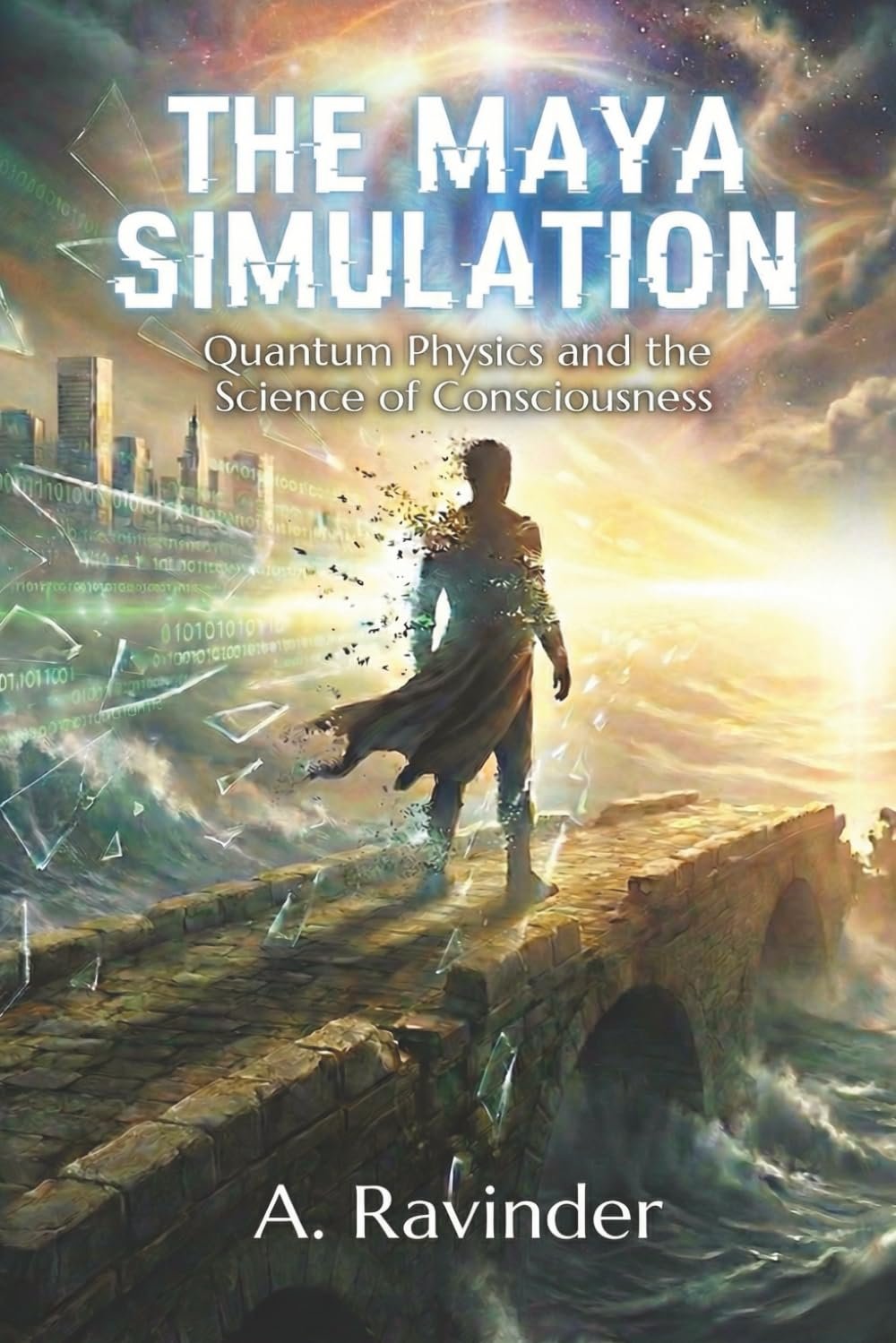
The Maya Simulation: Quantum Physics and the Science of Consciousness by A. Ravinder
Is the world around us real? Or is it just a Maya Simulation?
A guide that bridges the ancient wisdom of the Yoga Vasistha with quantum physics and modern consciousness science — for readers ready to question the nature of reality and calm the mind with practical tools like the Zero Voice Technique. It explores mind, maya and consciousness in plain language, and offers a practical path for the seeker on the spiritual journey. Available in print and ebook instant-read versions.
Buy on AmazonBuy on Ramthamedia
As an Amazon Associate, RamthaMedia earns from qualifying purchases.
The humility and ceaseless dedication demonstrated by Garuda serve as profound, practical lessons for every spiritual seeker navigating ordinary worldly responsibilities. This sacred vahana procession visibly mirrors the quintessential teaching of the Bhagavad Gita—that all secular actions should be performed selflessly as an offering to the Divine without attachment to self-serving rewards. Contemplating the divine sport of the Lord while embracing humble surrender is believed to guide the seeker toward ultimate spiritual liberation.
Historical Precedents of Sacred Adornments on Garuda Vahanam
During the celebrated Garuda Seva organized as part of the Tirumala Brahmotsavams, visiting pilgrims consistently exhibit immense devotional curiosity regarding the priceless, ancient heirloom jewels adorning the processional deity, Sri Malayappa Swamy. Historical temple customs record that on previous festival occasions, the temple archakas have gloriously embellished the Lord with rare, heritage ornaments including the Makarakanti, the Sahasranama Mala, and the sacred Lakshmi Haram. These time-honored embellishments mirror the profound cultural and spiritual heritage of the Tirumala temple.
A careful review of official records from the Salakatla Brahmotsavams Garuda Seva held on September 19, 2026, reveals that Sri Malayappa Swamy, appeared in full regal splendor upon the golden Garuda Vahanam to bless assembled pilgrims along the Mada Streets. The specific decorative arrangements and ornaments presented on that occasion reflected the established ritual protocols of that particular festival date. Past documentation of such adornments serves solely as historical evidence of specific past observances.
In accordance with strict Vaikhanasa Agama injunctions, the precise selection and presentation of sacred festival jewelry during Garuda Seva remain entirely within the internal discretion of the chief temple archakas and governing temple administrators. It is neither possible nor appropriate to issue rigid advance guarantees regarding which exact historical ornaments will be donned during future festival editions. Every Brahmotsavam observance is conducted scrupulously according to scriptural mandates while prioritizing the preservation of sacred heritage.
The divine sight of Lord Venkateswara gracefully processing upon the golden Garuda carrier, adorned with gem-encrusted crowns and ancient gold necklaces, inspires profound devotional ecstasy among the gathered multitude. Studying the decorative traditions of previous years offers valuable insight into the artistic and devotional richness of the temple. Discerning the supreme spiritual beauty residing behind these external ornaments constitutes the true spiritual essence that pilgrims are encouraged to experience.
These centuries-old adornment traditions preserved at the holy shrine of Tirumala are not merely ostentatious external displays, but enduring historical monuments to devotional grandeur. Spiritual preceptors consistently urge devotees not to focus on the monetary value of the precious jewels, but rather to perceive the transcendent, auspicious form of the Divine revealed through them. The forthcoming rituals of the October Navaratri Brahmotsavams will likewise unfold in rigorous adherence to consecrated Agama regulations.
Understanding the Sacred Tradition of Andal Garlands with Contextual Records
The cherished tradition of offering sacred flower garlands woven and consecrated by Sri Andal (Goda Devi) from Srivilliputhur in Tamil Nadu to Lord Venkateswara in Tirumala imparts a unique devotional aura to the Garuda Seva. Renowned as the ardent devotee of Lord Ranganatha who first wore flower garlands before offering them to the deity, Goda Devi’s sacred offering to Lord Srinivasa has endured as a revered Vaishnava custom across centuries. This sacred ritual highlights the boundless depth of pure devotional intimacy.
Historical documentation confirms that on the auspicious day of Garuda Seva, these specially consecrated floral garlands are traditionally transported from Srivilliputhur to Tirumala with great ceremonial respect and handed over to the temple archakas. During the previous Salakatla Brahmotsavams Garuda Seva on September 19, 2026, this ceremonial garland offering was conducted in accordance with established ritual traditions. The same solemn reverence attaches to this custom during the Navaratri Brahmotsavams celebrated from October 12 through October 20.
Vaishnava sacred literature portrays the Andal garland custom as a sublime emblem of untainted, unconditioned love linking the sincere devotee with the Supreme Lord. Devotional tradition preserves the sacred memory that the Lord joyfully accepted the fragrant blossoms previously worn by His most devoted servant. The documented details of past festival occurrences serve exclusively as contextual historical records of rituals observed on those respective festival dates.
The exact arrival timings of the Srivilliputhur garlands and the specific preliminary rituals accompanying their presentation are governed entirely by internal temple administrative procedures on that given day. While pilgrims view this ceremonial transition as an exceptionally sacred highlight, it is essential for devotees to verify actual logistical details through official press releases published by TTD rather than relying on unverified assumptions.
Drawing personal inspiration from the selfless devotion exemplified by Goda Devi while participating in the Garuda Seva constitutes the genuine philosophical message underpinning this tradition. This historical custom reminds every seeker that the inner fragrance of heartfelt devotion is infinitely dearer to the Divine than the transient external scent of physical blossoms. Remembering the Supreme Lord with an untainted, humble heart remains the foremost spiritual goal of this festive observance.
Comparing Monthly Pournami Garuda Seva and Brahmotsava Garuda Seva
Clear operational and ritual distinctions exist between the monthly Pournami Garuda Seva conducted regularly at Tirumala and the grand Garuda Vahana Seva held during the annual or Navaratri Brahmotsavams, particularly concerning procession duration, scale, and administrative logistics. The monthly Pournami Garuda Seva is customarily completed within a standard two-hour timeframe running from 7:00 PM to 9:00 PM. In sharp contrast, the Brahmotsavam Garuda Seva extends across five full hours, commencing at 6:30 PM in the evening and concluding at 11:30 PM at night.
According to official administrative report number 334833, the monthly Pournami Garuda Seva on September 26, 2026, was conducted at Tirumala between 7:00 PM and 9:00 PM in the presence of attending devotees. Meanwhile, the latest TTD official release (Number 334857) specifically affirms that the Navaratri Brahmotsavam Garuda Seva on October 16, 2026, will be celebrated as a massive five-hour event spanning from 6:30 PM to 11:30 PM.
Reports of earlier Brahmotsavams describe cultural troupes from different regions. Those reports document their respective events. They do not establish how many troupes will perform on 16 October or the order of their performances. If a separate cultural programme is announced, check its date and timing before adding it to an itinerary.
A previous experience at a monthly Pournami procession does not establish what conditions will be like on a Brahmotsavam day. Crowds, available space and staff directions may vary. Do not assume that a route used on an earlier visit will be open again. Following current official directions should be part of planning for either event.
Although Lord Malayappa Swamy ascends the sacred Garuda Vahanam to bless devotees during both observances, the Brahmotsavam procession stands in a category of its own in terms of operational scale, ritual duration, and congregation size. Pilgrims planning their journey must pay close attention to these distinct schedules and official administrative announcements to formulate practical on-ground itineraries.
Open Vahanam Viewing on Mada Streets vs Sanctum Sanctorum Darshan
Devotees visiting the sacred hill shrine must clearly grasp the fundamental operational distinction between the open-air vahanam darshan conducted along the Mada Streets and the traditional Moola Virat darshan held inside the inner sanctum sanctorum. During the outdoor vahanam procession, the processional deity, Sri Malayappa Swamy, moves outside the temple complex to circumambulate the four surrounding streets. Devotees may enter the open gallery enclosures to witness this spectacle freely without requiring pre-purchased entry tickets or advance darshan tokens.
Arrangements for viewing the presiding deity inside the temple differ from those for the outdoor procession. Consult current TTD information separately for ticketed darshan, Sarva Darshan and other applicable arrangements. Watching Garuda Seva does not create an additional right of admission to the temple. Do not plan on the assumption that the two forms of viewing share one admission process.
The processional deity coming among devotees carries a distinctive devotional meaning. This does not promise identical viewing positions or unrestricted admission for everyone. Older visitors and people with disabilities should confirm current arrangements appropriate to their needs through official channels. The spiritual idea of equality should be understood separately from a venue’s physical capacity and access arrangements.
During the peak surge days of the Brahmotsavams, internal sanctum darshan schedules and special privileged entry formats are subject to dynamic administrative adjustments to manage massive crowd volumes safely. Pilgrims hoping for sanctum access must confirm token availability and slot schedules exclusively through the official TTD online portal. It is incorrect to assume that outdoor vahanam schedules dictate or reflect inner sanctum entry protocols.
RECOMMENDED PRODUCT
Home Temple Pooja Stand with Door, LED Light and Storage : How can this product help you?
Apartment households seeking a dedicated indoor pooja corner often face limited floor space. The practical challenge is keeping multiple deity idols and everyday accessories… This unit solves compact spatial constraints by offering tabletop and wall-mounting options. It includes swinging doors to conceal idols, built-in lighting for the central… This indoor home temple mandir provides a compact worship space featuring protective doors, integrated warm LED lighting, and an enclosed base storage compartment. Sized at…
As an Amazon Associate, RamthaMedia earns from qualifying purchases.
Witnessing the resplendent form of the Lord seated majestically upon the golden Garuda Vahanam provides immense spiritual fulfillment to visiting devotees. Even when inner sanctum darshan tickets are unavailable, pilgrims can fully experience divine grace by participating reverently in the open Mada Street processions. Recognizing the distinct value of both forms of darshan ensures a peaceful and spiritually rewarding pilgrimage.
Verifying Specific Ground Entry Routes Beyond the Published Timetable
Even though the official timetable for the grand Garuda Seva on October 16 has been designated from 6:30 PM to 11:30 PM, visiting pilgrims must independently verify physical entry gates and access channels leading to the Mada Street galleries on the ground. To guarantee public safety and prevent severe overcrowding during peak Brahmotsavam days, TTD administration and the temple vigilance department continuously evaluate gallery access points and implement operational modifications.
Historical documentation from the Salakatla Brahmotsavams held in September 2026 indicates that general pilgrims were directed into designated gallery sectors through specific access points such as the Tirumalanambi area. However, with respect to the October Navaratri Brahmotsavams, devotees must avoid making speculative assumptions about traffic restrictions or entry points until they are formally confirmed by TTD authorities closer to the event date.
Pilgrims must scrupulously comply with on-ground instructions issued by duty police personnel and TTD vigilance officials stationed across the sacred hill shrine. When designated gallery enclosures reach maximum safe capacity, entry gates are often temporarily closed for public safety reasons. Devotees are therefore strongly urged to rely solely on authorized temple information counters rather than unverified rumors or informal local gossip.
Pilgrims accompanied by young children, elderly family members, or individuals with mobility challenges should exercise heightened vigilance at entry enclosures and pedestrian walkways. Because queue alignments may shift dynamically based on crowd pressure, monitoring real-time administrative announcements broadcast on electronic digital display boards situated at major Tirumala intersections is highly advisable.
Combining strict adherence to official schedules with disciplined movement through designated access pathways ensures a safe and serene vahanam darshan experience. Through proactive information gathering and disciplined cooperation with on-ground authorities, pilgrims can successfully witness the divine Garuda Seva in an atmosphere of peace and spiritual tranquility.
Cultivating Reverence, Patience, and Mutual Respect During Vahanam Viewing
Participating in a monumental spiritual gathering like the Tirumala Garuda Seva, which draws hundreds of thousands of pilgrims simultaneously, demands profound patience, emotional restraint, and pure devotion. While enduring extensive hours of waiting within crowded gallery enclosures, devotees should actively demonstrate mutual empathy and courteous respect toward fellow pilgrims. Experiencing divine darshan is not merely a visual spectacle for the physical eyes, but a transformative exercise in inner emotional maturity.
When dedicated TTD Srivari Seva volunteers move through the gallery sectors continuously distributing Annaprasadam, drinking water, and hot milk, pilgrims are expected to maintain exemplary discipline. Receiving sacred refreshments in an orderly queue without jostling ensures that nourishment reaches everyone smoothly and comfortably. Honoring the tireless guidance provided by selfless volunteers is a fundamental moral duty for every attending pilgrim.
Pilgrims are equally obligated to extend responsible civic cooperation in keeping the holy hill shrine and the four Mada Streets clean and hygienic throughout the festival. Devotees can actively assist municipal sanitation staff by disposing of leftover food containers, cups, and paper waste exclusively inside designated trash receptacles. Preserving the physical sanctity and cleanliness of the holy hill should be embraced as a direct act of devotional service to Lord Venkateswara.
When the golden Garuda Vahanam arrives before one’s gallery section, pilgrims should remain poised and offer heartfelt prostrations with folded hands rather than succumbing to agitated physical commotion. Resisting the urge to push forward or scramble for mobile photos and selfies protects the serene viewing experience of surrounding devotees. Imprinting the divine, benevolent form of the Lord onto the tablet of one’s heart constitutes the true spiritual purpose of this sacred pilgrimage.
Enduring long hours of patient waiting should be viewed as an extraordinary opportunity for personal spiritual discipline and internal reflection. Every moment spent in mutual cooperation and continuous mental repetition of the sacred Govinda Nama transforms the Garuda Seva darshan into an unforgettable spiritual milestone. Beholding this magnificent festival with reverent devotion fosters universal welfare, harmonious coexistence, and lasting mental peace.
Key Comparison Between Brahmotsava Garuda Seva and Pournami Garuda Seva
| Operational Dimension | Navaratri Brahmotsavam Garuda Seva (October 16) | Monthly Pournami Garuda Seva |
|---|---|---|
| Procession Timings | 6:30 PM to 11:30 PM IST (5 Hours Duration) | 7:00 PM to 9:00 PM IST (2 Hours Duration) |
| Cultural Presentations | Hundreds of classical and folk cultural troupes from various states | Limited performances by regional devotional bhajan mandalis |
| Sacred Adornments | Ancient heirloom jewel traditions and Andal floral garlands | Regular daily ornamentation of the Utsava deity |
| Crowd Density and Logistics | Massive gallery management and round-the-clock prasad distribution for lakhs of pilgrims | Standard crowd management tailored to regular full-moon pilgrimage |
The Spiritual Message of the Holy Shrine
Garuda embodies the eternal truths of the Vedas, serving as the selfless carrier and perpetual devotee of the Supreme Lord. The sacred Garuda Seva teaches that genuine spiritual fulfillment is attained not through egotistical worldly ambition, but through dedicating one’s life to divine service with pure, humble surrender.
The majestic outstretched wings of Garuda symbolize the two foundational spiritual pillars: transcendent knowledge (Jnana) and noble dispassion (Vairagya). Liberating oneself from binding material attachments and engaging in selfless divine service opens the direct pathway to supreme peace and divine grace.
While waiting to witness the Garuda Seva amidst massive crowds, maintain exemplary patience and mutual respect toward fellow pilgrims without causing disturbance. Strive to integrate the enduring virtues of humility, selfless service, and disciplined restraint into your daily personal life.
Chapter Summary
This comprehensive guide details the official schedule for the October 16, 2026 Navaratri Brahmotsavam Garuda Seva (6:30 PM to 11:30 PM IST), the theological importance of Garuda’s Dasya Bhakti, historical precedents of sacred heirloom jewel adornments, the cherished Andal garland tradition, and clear distinctions from monthly Pournami processions. It clarifies the vital operational differences between open-air Mada Street gallery viewing and inner sanctum temple entry, guiding pilgrims toward a patient, spiritually enriching darshan experience.
Scripture Notes
- Main Message: The Supreme Divine willingly resides in the heart of the sincere devotee who is steadfastly established in humble, selfless servitude.
- Philosophical Teaching: Spiritual wisdom and dispassion form the dual wings carrying the seeker toward liberation; total selfless surrender serves as the direct gateway to supreme peace.
The heart of a humble devotee anchored in selfless service becomes the eternal sanctuary of the Divine.
Reverent, ego-free service dissolves the deepest delusions of human pride.
Frequently Asked Questions
On what date and time will the Navaratri Brahmotsavam Garuda Seva take place?
The Navaratri Brahmotsavam Garuda Seva takes place on October 16, 2026, from 6:30 PM to 11:30 PM IST. According to TTD official release number 334857, Lord Sri Malayappa Swamy will bestow divine blessings along the four Mada Streets atop the sacred Garuda Vahanam during this dedicated five-hour procession.
What is the primary difference between Pournami Garuda Seva and Brahmotsavam Garuda Seva?
Pournami Garuda Seva is a monthly observance; Brahmotsavam Garuda Seva is part of the nine-day festival. The reported hours for 26 September 2026 were 7–9 PM, whereas the announced hours for 16 October are 6:30–11:30 PM IST. Check the relevant announcement for other months rather than assuming identical timings.
Is a special darshan entry ticket required to view Garuda Seva along the Mada Streets?
No special pre-booked ticket or token is required to view the Garuda Seva procession. General pilgrims can freely enter the open-air galleries surrounding the four Mada Streets to witness the divine vahanam, subject to venue capacity and on-ground safety protocols.
Does witnessing the Garuda Seva on the Mada Streets provide access to the inner sanctum?
No. Watching the procession on the Mada Streets does not grant temple admission. Check current TTD arrangements separately for ticketed darshan, Sarva Darshan and any other applicable entry procedure.
What are the historical precedents regarding ornaments adorning the deity on Garuda Vahanam?
Historical temple records document that the deity has been adorned with priceless ancient heirloom jewels such as the Makarakanti, Sahasranama Mala, and Lakshmi Haram during previous Brahmotsavams. However, specific adornments for any given festival remain the internal ritual prerogative of the chief priests according to Vaikhanasa Agama canons.
Why is the Andal garland tradition specially associated with Garuda Seva?
The sacred tradition of offering floral garlands consecrated by Goda Devi (Andal) from Srivilliputhur to Lord Venkateswara on Garuda Seva represents a centuries-old Vaishnava custom. It symbolizes the purest spiritual intimacy and absolute surrender between the loving devotee and the Supreme Lord.
Conclusion
Beholding Lord Sri Malayappa Swamy majestically riding the golden Garuda Vahanam awakens sublime waves of devotion in every pilgrim’s heart. By upholding exemplary patience, civic discipline, and mutual compassion, devotees can partake in this sacred festival and attain lasting inner tranquility.
{“@context”: “https://schema.org”, “@graph”: [{“@type”: “BreadcrumbList”, “itemListElement”: [{“@type”: “ListItem”, “position”: 1, “name”: “Home”, “item”: “https://ramthamedia.in/”}, {“@type”: “ListItem”, “position”: 2, “name”: “🛕 Devotion, Temples & Festivals”, “item”: “https://ramthamedia.in/en/category/devotion-temples-english/”}, {“@type”: “ListItem”, “position”: 3, “name”: “Garuda Seva Lasts Five Hours — What Should Pilgrims Know?”}]}, {“@type”: “FAQPage”, “mainEntity”: [{“@type”: “Question”, “name”: “On what date and time will the Navaratri Brahmotsavam Garuda Seva take place?”, “acceptedAnswer”: {“@type”: “Answer”, “text”: “The Navaratri Brahmotsavam Garuda Seva takes place on October 16, 2026, from 6:30 PM to 11:30 PM IST. According to TTD official release number 334857, Lord Sri Malayappa Swamy will bestow divine blessings along the four Mada Streets atop the sacred Garuda Vahanam during this dedicated five-hour procession.”}}, {“@type”: “Question”, “name”: “What is the primary difference between Pournami Garuda Seva and Brahmotsavam Garuda Seva?”, “acceptedAnswer”: {“@type”: “Answer”, “text”: “Pournami Garuda Seva is a monthly observance; Brahmotsavam Garuda Seva is part of the nine-day festival. The reported hours for 26 September 2026 were 7–9 PM, whereas the announced hours for 16 October are 6:30–11:30 PM IST. Check the relevant announcement for other months rather than assuming identical timings.”}}, {“@type”: “Question”, “name”: “Is a special darshan entry ticket required to view Garuda Seva along the Mada Streets?”, “acceptedAnswer”: {“@type”: “Answer”, “text”: “No special pre-booked ticket or token is required to view the Garuda Seva procession. General pilgrims can freely enter the open-air galleries surrounding the four Mada Streets to witness the divine vahanam, subject to venue capacity and on-ground safety protocols.”}}, {“@type”: “Question”, “name”: “Does witnessing the Garuda Seva on the Mada Streets provide access to the inner sanctum?”, “acceptedAnswer”: {“@type”: “Answer”, “text”: “No. Watching the procession on the Mada Streets does not grant temple admission. Check current TTD arrangements separately for ticketed darshan, Sarva Darshan and any other applicable entry procedure.”}}, {“@type”: “Question”, “name”: “What are the historical precedents regarding ornaments adorning the deity on Garuda Vahanam?”, “acceptedAnswer”: {“@type”: “Answer”, “text”: “Historical temple records document that the deity has been adorned with priceless ancient heirloom jewels such as the Makarakanti, Sahasranama Mala, and Lakshmi Haram during previous Brahmotsavams. However, specific adornments for any given festival remain the internal ritual prerogative of the chief priests according to Vaikhanasa Agama canons.”}}, {“@type”: “Question”, “name”: “Why is the Andal garland tradition specially associated with Garuda Seva?”, “acceptedAnswer”: {“@type”: “Answer”, “text”: “The sacred tradition of offering floral garlands consecrated by Goda Devi (Andal) from Srivilliputhur to Lord Venkateswara on Garuda Seva represents a centuries-old Vaishnava custom. It symbolizes the purest spiritual intimacy and absolute surrender between the loving devotee and the Supreme Lord.”}}]}]}
External Source Links
- TTD Official Navaratri Brahmotsavam Release
- Tirumala Pournami Garuda Seva Details
- Garuda Vahana Seva Highlights
Information checked: 28 September 2026. Cover background: TTD archive dated 2026-09-20; not a photograph of the forthcoming October 2026 festival. TTD News