

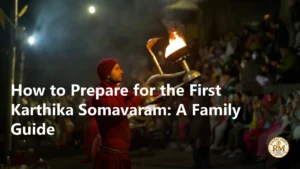
Karthika Somavaram preparation can begin the day before. Check your family custom, arrange the materials you need and confirm temple hours. Allow for work, health and travel, and choose a safe place where a lamp can be supervised. The first Monday falls on November 16 in many Telugu calendars; check local observance.
For the wider background, read the Karthika Masam main guide.
On a busy Monday morning, searching for a wick, wondering whether the temple is open and trying to gather everyone for prayer can make a peaceful observance feel hurried. A little preparation the previous day helps. Check the custom followed in your family, gather only what you need and plan a time that suits the people taking part.
In Telugu calendar practice across many regions, the first Karthika Somavaram in 2026 falls on Monday, November 16. Sunday, November 15 is therefore a useful day to prepare. Calendar systems and local observance can differ, so also check your local panchangam and the information supplied by the temple you intend to visit.
Read the complete Telugu edition of this article.
Start with your family’s practice
Some families make a Shiva temple visit the centre of the day. Others light a lamp at home and spend a few minutes in prayer. Those observing a particular vrata may follow a longer sequence, read a story or observe a fast. One household’s sequence should not automatically be treated as a rule for every other household.
If this is your first time taking part, speak with a family member who knows your tradition. Ask what is usually prepared, how long the worship takes and whether there are instructions for a specific vow. Also consider school, work, mobility and health needs. A plan that allows people to participate comfortably can make the day more meaningful for everyone.
Write down any questions you would like to ask a priest. If family members remember a detail differently, give them time to explain the practice they learned. The purpose of preparation is to understand the custom and organise the day, not to turn small differences into a dispute.
Check the calendar and temple information
Look up the Monday in a local Telugu panchangam. Families living overseas should also check their temple’s local calendar, since the civil date, sunrise and calendar convention can affect observance. A ceremony tied to a particular tithi or time may have its own instructions; do not assume that one hour applies to every family.
If you plan to visit a temple, check opening hours and the times of any special archana or abhishekam. Karthika Mondays can be busy. Find out whether booking is required, whether offerings brought from outside are accepted and whether the temple has arrangements for elderly devotees.
Temple announcements can change. Where possible, use an official notice or contact the information desk instead of relying on an old forwarded message. For a longer journey, consider transport, parking and the return trip. Allow extra time so that a delay does not make the whole family anxious.
Related reading Lamp and wick guide in Telugu
Clean and arrange the prayer space
On Sunday evening, clean the prayer room or the corner where the family normally worships. Wipe away dust, wash the vessels you intend to use and allow them to dry. If water is likely to spill during worship, keep a cloth nearby and dry the floor promptly. Place a chair close by if an older family member needs one.
Choose a stable position for the lamp, away from curtains, paper and hanging decorations. In a home with children or pets, place it where it cannot easily be touched or knocked over. Respect the fire safety rules of your building as well as the needs of your household.
If you worship before a framed picture of Shiva, do not pour water on the picture. If your home has a Shiva lingam suitable for abhishekam, check the customary arrangement for collecting water. When in doubt about a material or object, ask someone familiar with its care before using liquids or decorations that might damage it.
Make a short list of puja materials
Prepare a list based on your household practice. It may include a lamp, wicks, oil, matches, a vessel, water and flowers. Families who offer bilva leaves can arrange a modest quantity. Keep a prayer book or a copy of the vrata story nearby if you intend to read from one.
Look at what is already available before buying more. Not every item displayed in a shop is required for every puja. A list can reduce expense and prevent waste. Check that the lamp is intact and that the oil and wicks are usable. Put the items in one clean place so that they are easy to find in the morning.
Decide when to obtain flowers or bilva according to your family custom. Take leaves without damaging the tree and seek permission before collecting from someone else’s property. If the leaves are unavailable, ask a family elder or priest what alternative is suitable for your observance. A special vrata may have instructions that differ from an ordinary home prayer.
Related devotional guide Kedara Gowri vrata in Telugu
Check the lamp before lighting it
A cracked lamp or one that leaks oil can make the area unsafe. A stable plate beneath it may help contain small spills. Keep loose clothing, hair and paper away from the flame. Once matches have been used, put them out of reach of children.
If everyone has to leave for work or school, decide who will watch the lamp. A flame should not be left burning in an empty room or unattended home. Extinguish it safely before leaving, and wait for the holder to cool before moving it. Planning a manageable prayer time allows care for the lamp as well as attention to worship.
If a family member is unfamiliar with the lamp arrangement, show them where it stands and how to leave the area safely. A simple check the evening before is easier than rearranging a crowded shelf in the middle of a busy morning.
Think about fasting and health
Some devotees observe a fast on Karthika Somavaram. Families differ in what they eat and when they end the fast, so learn the practice relevant to your household rather than assuming that one method applies to all.
People with diabetes or other long-term conditions, those who are pregnant and those taking medication may need to avoid restrictions on food or water. Seek medical advice about your own circumstances. If fasting is unsuitable, discuss a form of prayer or participation that fits your health needs. Children and older adults should not be pressured to fast.
Make ordinary meal arrangements for those who need them. Family members may have different health requirements even when they take part in the same prayer. Respecting those differences is part of planning a day on which everyone can participate without unnecessary strain.
Prepare for a temple visit
Check whether a service requires registration or a ticket. Keep necessary medication, drinking water and travel details accessible. If children or older relatives are coming, allow sufficient time and agree on a meeting place in case the group becomes separated. Follow the temple’s directions about bags, footwear and permitted offerings.
Not every temple accepts flowers or leaves brought from outside. Some provide materials as part of a service. Ask in advance to avoid carrying offerings that cannot be used. The temple also decides whether devotees may perform an abhishekam themselves or should hand materials to a priest.
If rain is possible, carry an umbrella and a suitable bag. People sharing a vehicle should agree on the departure and return times. During a queue, leave space for others and follow staff instructions. The aim is to make the journey comfortable for the group and respectful of other visitors.
Share the work at home
Preparation need not fall on one person. One member can clean vessels while another checks temple hours. Children can arrange flowers on a plate or place a book near the prayer space. Adults should supervise the flame and handle hot vessels or sharp objects.
Ask older relatives about the story or prayer they remember, and invite children to listen or ask questions. Explain that family practices may differ from one another. A child can learn a line at a time, help with a small task or simply sit with the family. Participation is more welcoming when it is suited to age and ability.
If neighbours are organising a shared trip, confirm where and when to meet. Some may be unable to come because of work or health, and that choice deserves respect. If flowers or leaves are shared, take only what is needed and avoid leaving plastic or other waste near the temple.
Allow a realistic amount of time
Discuss work shifts, school schedules and household duties on Sunday. Not everyone will necessarily be free at the same hour. Where a particular vow specifies a time, consult the person who guides that observance. For an ordinary household prayer, arrange the available time in a way that reflects your family’s custom and allows safe supervision of the lamp.
Those who cannot visit a temple may be able to pray at home in a familiar way. Place the book, vessels and other materials within reach so that the person at home is not left with all the work. Good lighting and a comfortable seat can make reading easier for older relatives.
Avoid filling the morning with so many tasks that no one has time to sit down. A realistic plan can include a short prayer, necessary household work and a temple visit if the family wishes. It can also leave room to adjust if transport is delayed or someone feels unwell.
If you plan to read or recite
Ask which prayer your family normally uses and mark the page in advance. A person learning a verse can begin with a few lines and read the meaning from a reliable source. Encourage questions about the words without demanding that a child memorise a long passage in one sitting.
Families who read a Karthika story can set out the book and make sure the reader has adequate light and glasses if needed. One person may read while the others listen. Differences in the stories or verses remembered by relatives can be discussed calmly; a priest or knowledgeable elder may be able to explain a particular custom.
If you plan an abhishekam at home
Abhishekam is an act of worship in which water or other substances are offered to a Shiva lingam according to a household or temple practice. First check that the object in your home is suitable. A paper image or decoration that can be damaged by water should not be treated as a lingam for this purpose.
Use a clean vessel for water and another to collect it if that is your practice. Wipe spills immediately to keep the floor from becoming slippery. If your household uses milk or other substances, discuss in advance how they will be handled after worship. When arranging a temple service, ask what the temple supplies and follow the priest’s directions.
Sunday preparation at a glance
| Task | What to check |
|---|---|
| Date | Local panchangam and temple notice |
| Prayer space | Clean surface and a safe, stable place for the lamp |
| Materials | Only the items your household practice requires |
| Fasting | Health needs, medical advice and family custom |
| Temple visit | Hours, transport and service rules |
After the worship
Handle used flowers and leaves according to your family custom and local waste rules. Do not put plastic bags or offerings into waterways. Wash and dry the vessels and return them to their places. Check that the lamp is safely extinguished before leaving the house.
A little preparation makes space for a calmer Monday. The important decisions are practical ones: understand the custom, account for the people taking part and arrange the materials and travel they actually need. The observance can then fit the life of the family rather than adding needless confusion to it.
Frequently asked questions
When is the first Karthika Somavaram in 2026?
In Telugu calendar practice in many regions it falls on Monday, November 16. Check your local panchangam and temple notice for your location.
Can flowers and leaves be obtained the previous day?
Follow your family’s custom. If a particular vrata has a rule about collecting them, consult the person who guides that observance.
What if bilva leaves are unavailable?
Ask a family elder or priest about an alternative suitable for your prayer. Do not damage trees or take leaves from another property without permission.
Must everyone fast?
Practices vary. People with health concerns or medication needs should seek medical advice and choose a suitable way to participate.
Can I take puja materials to the temple?
Temple rules differ. Check with the temple or its official information service before setting out.
Sources
The 2026 Telugu panchangam and the Kanchi Kamakoti Peetham’s published Skanda Purana summary on Shiva worship were consulted. Local customs and calendar conventions can differ.