

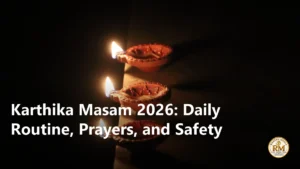
Karthika Masam 2026 begins on November 10 according to the Telugu amanta calendar. Families may prepare a simple routine of bathing, prayer and safe lamp lighting, following their household customs and taking health and safety into account. Customs vary.
For the wider background, read the Karthika Masam main guide.
Read the complete Telugu edition of this article.
Karthika Masam 2026 Significance and Commencement
Preparations for the sacred month are quietly underway across many households. Many families find themselves reflecting on what steps to take, which items to arrange for the altar, and how best to welcome this auspicious spiritual period. According to the Telugu Amanta calendar, Karthika Masam 2026 begins on Tuesday, November 10, following the conclusion of Ashwayuja Amavasya. Rather than adopting an overwhelming list of demanding tasks, households are encouraged to observe family traditions and establish a gentle, consistent daily routine from morning to evening that respects their personal health, stamina, and daily working hours.
Devotion in Karthika Masam does not require extreme physical distress or severe penances that jeopardize bodily well-being. The true spiritual spirit of this sacred month rests in cultivating an inner sense of tranquility through simple remembrance of the Divine, offering supportive acts of charity to those around us, and leading a mindful life that honors the natural environment. While regional customs, lineage practices, and community conventions may suggest specific rituals, the underlying essence is to turn the mind toward Shiva, Vishnu, and the light of truth according to one’s honest capacity.
Morning Routine Bathing and Cleanliness
In countless Telugu and broader Indian households, taking an early bath followed by silent contemplation or chanting forms the heart of the morning routine. While classical traditions speak reverently of river baths, visiting a natural riverbank is neither feasible nor mandatory for everyone. One may comfortably take a refreshing bath at home using clean domestic tap water while recollecting the names of sacred streams or mentally remembering the Divine. Adjust the water temperature appropriately to match the seasonal morning chill and your physical health conditions.
Particular care must be extended toward young children, elders, and anyone recovering from illness or chronic ailments. Forcing vulnerable family members to bathe in frigid water is entirely unnecessary and counterproductive to health; provide warm water instead. Ensure bathroom floors are dry, slip-free, and well-lit, providing firm physical support or handrails for elderly members if required. After completing the bath, you can chant any prayer familiar to you—such as the sacred Shiva Panchakshari mantra (Om Namah Shivaya), the divine names of Lord Vishnu, or simple regional devotional hymns.
Related reading Lamp and wick guide in Telugu
Home Altar Worship and Lighting the Lamp
Upon completing the morning bath and dressing in fresh garments, one may proceed directly to the home shrine. Lighting a sacred flame holds immense spiritual significance during Karthika Masam as a symbol of dispelling internal darkness, ignorance, and negativity. Placing small, clean earthen lamps (clay pramidalu) filled with fragrant sesame oil or pure cow ghee is a widespread traditional practice. However, these choices should remain entirely aligned with your domestic resources, safety, and family background.
Elaborate or extravagant rituals are never obligatory. Devotion is thoroughly conveyed through a single clean flower offered with reverence, a gently lit lamp, a cup of fresh drinking water, or a humble offering of fruits or cooked rice (naivedyam). Devotees may recite the Vishnu Sahasranama, Shiva stotras, or remain seated in silent, mindful meditation for a few quiet minutes. Sitting quietly after prayers calms the nervous system and infuses the home with gentle spiritual peace for the day ahead.
Midday Regimen Food and Sattvic Living
Many individuals undertake specialized dietary restrictions during Karthika Masam, such as consuming a single meal a day (ekabhuktam) or abstaining from certain grains. However, dietary restrictions and fasting remain strictly individual choices governed by physiological capacity and occupational demands. Expectant mothers, nursing women, individuals diagnosed with diabetes or other medical conditions, and those involved in heavy physical labor should refrain from austere fasts. A balanced, nourishing, and easily digestible sattvic meal taken in moderation supports both physical energy and mental focus.
Gathering as a household to share meals peacefully without wasteful excess is an uplifting cultural practice. Where feasible, sharing nutritious food with hungry individuals, stray animals, or birds is regarded as an act of profound merit. Genuine religious practice shines brightest when translated into everyday kindness and practical charity toward fellow beings.
Related devotional guide Kedara Gowri vrata in Telugu
Dusk and Evening Lamp Traditions
The transition between day and night, known as the twilight or Sandhya period, is considered an exceptionally propitious hour for lighting lamps during Karthika Masam. As the sun sets, clay lamps can be lit safely in the puja room, along clean balcony ledges, or near the main threshold of the residence. Watching the gentle, steady glow of traditional oil wicks during the twilight hour brings reassurance, quiet beauty, and a serene sense of protection to the domestic space.
While visiting a nearby Shiva or Vishnu temple during the evening hours provides an enriching communal atmosphere, it is by no means mandatory. Lighting a secure lamp at home, sitting quietly with family members, and repeating sacred verses or listening to soft devotional music produces an equivalent inner contentment. Ensure that prayer times do not conflict with necessary rest and household duties.
Key Highlights of Karthika Masam 2026 Daily Schedule
| Time of Day | Recommended Observances | Important Practical Guidance |
|---|---|---|
| Morning (Dawn) | Gentle warm bath, silent prayer, lighting a sacred altar lamp, brief chanting | Cold water is never compulsory; prioritize physical health, comfort, and slip resistance |
| Daytime | Sattvic, balanced nourishment, mindful workplace tasks, simple charity or spiritual reading | Avoid harmful fasts; those on medical prescriptions must follow balanced dietary advice |
| Evening (Dusk) | Lighting clay lamps safely, Sandhya prayer, reciting uplifting stotras | Exercise strict fire safety; keep flames shielded from wind, fabrics, and children |
| Night | Light, nourishing dinner, preparing items for the following day, restful sleep | Retire peacefully with a composed mind free from anxiety and hurry |
Fire Safety Measures and Ecological Mindfulness
Because lamp lighting is a central focus of Karthika Masam, strict adherence to domestic fire safety is mandatory. Always place earthen or metal lamps away from blowing window curtains, hanging wall hangings, flammable clothing, wooden furnishings, and electrical points. Placing a wide brass, stainless steel, or ceramic plate beneath the clay lamps catches stray oil drips, stabilizes the lamp, and shields floorings and furniture from dangerous heat and discoloration.
Never leave a burning lamp unattended. Keep flames away from plants, pets and combustible items. Do not leave lamps, oil, wicks or other worship materials in lakes, rivers or temple tanks; take waste away and follow local disposal rules.
Practical Flexibility for Employees and Shift Workers
Modern lifestyle demands, changing corporate shifts, IT desk jobs, and manufacturing rotations mean that not everyone can conform to conventional dawn worship routines. Those working irregular or demanding hours need not experience guilt, apprehension, or inadequacy. Honest execution of one’s occupational duties is itself a noble form of spiritual discipline (Karma Yoga). Spiritual practice can be performed whenever one’s schedule naturally allows.
Sacred Reading and Compassionate Charity
Devoting time each day to reading uplifting literature—such as relevant chapters from the Karthika Puranam, verses from the Bhagavad Gita, or narratives from the Ramayana—provides continuous spiritual grounding. Even spending just ten dedicated minutes reviewing inspiring passages clarifies the intellect, tempers impulsive anger, and brings moral perspective into daily decision-making.
Similarly, charity (dana) should be practiced within one’s financial means and personal comfort. Providing a nourishing meal to someone in hunger, donating modest warm blankets to the needy facing cold nights, or helping a student with school fees are practical ways to express virtue. Ostentatious donations performed for social display are empty; a tiny act of sincere kindness carried out without pride yields enduring spiritual peace.
Eve of the Month Organizing Sacred Items
Setting aside a brief window on the day before Karthika Masam begins to inventory necessary articles saves significant time and brings peaceful confidence. Procure fresh cotton wicks, sufficient lamp oil, incense, and camphor well in advance. Clean the brass lamps and wash the altar surfaces thoroughly so that no hurried cleaning is needed during early morning hours. Ensuring a neat, ready environment allows the household to begin the sacred month with unhurried reverence.
Family Traditions Consulting Elders
Liturgical customs and specific vratham conventions vary broadly across diverse districts, communities, and familial lineages. It is always wise and courteous to speak with older relatives to learn about your family’s unique generational customs, such as specific days for fasting or specific deities worshipped. Honoring these inherited ways with quiet dignity brings familial cohesion and eliminates the confusing anxiety of attempting unfamiliar rituals seen elsewhere.
Home Safety Securing Lamp Locations
Before lighting lamps each evening, carefully survey the chosen location to eliminate potential fire hazards. Balconies with sudden wind gusts require glass hurricane chimneys or deep brass holders to prevent sparks or embers from blowing onto dry materials. Keep all lighted vessels out of the path of lively toddlers and household pets. Placing lamps on elevated, stable surfaces ensures that the radiant warmth remains an uplifting delight rather than a domestic hazard.
Work Schedules Crafting a Sustainable Rhythm
Consistency is superior to sporadic intensity in spiritual life. If your professional hours make early morning prayers impossible, establish a dedicated five-minute session during the dusk hour instead. Setting an attainable, realistic personal rhythm that you can maintain throughout the thirty days without compromising professional efficiency or personal health is the key to lasting spiritual benefits.
Caring for Children and Elders
A home filled with love and mutual consideration is the true dwelling place of the Divine. Never impose rigid fasting rules or early cold baths on growing children, aging parents, or ailing relatives. Ensure their meals, warm clothing, and medications are administered punctually. Involving them gently by letting them listen to devotional chanting or taste the prasad makes the spiritual season a happy and inclusive memory for the whole family.
Sacred Literature Daily Karthika Puranam Study
Securing an easily readable edition of the Karthika Puranam printed with clear font and accurate translations allows family members to participate meaningfully in daily reading. Gathering for ten minutes in the evening following the lighting of the lamp to read and discuss a single chapter fosters domestic peace and instills timeless ethical principles in young minds.
Proportionate Charity Giving Without Financial Strain
Authentic charity should never destabilize your domestic budget or cause internal resentment among family members. Providing simple sustenance, giving winter clothing to someone shivering, or donating oil for temple lamps within your easy financial means is completely sufficient. Selfless giving, untainted by the desire for public praise, purifies the heart and completes spiritual practice.
Collective Family Prayer Simple Daily Harmony
Spending five serene minutes together as a family before dinner chanting sacred mantras, singing simple bhajans, or maintaining quiet gratitude nurtures mutual affection and dissolves day-to-day misunderstandings. This shared daily pause creates a haven of tranquility, ensuring that the spiritual benefits of the sacred month illuminate everyday family life.
Conclusion
Prepare a simple routine that fits your family tradition and circumstances.
Frequently Asked Questions
When does Karthika Masam 2026 start?
In accordance with the Telugu Amanta calendar followed across Andhra Pradesh and Telangana, Karthika Masam 2026 begins on Tuesday, November 10, the day immediately following Ashwayuja Amavasya. Minor date variations may occur in other regional calendar systems.
Is taking a cold water bath mandatory in the morning?
No. Choose a water temperature appropriate for your health and comfort; consult a clinician when needed.
How can corporate employees and shift workers observe the month?
Working professionals can adapt their practices to fit their shift schedules. Fulfilling work duties conscientiously is a respected form of worship. One can bathe, pray, and light a lamp whenever feasible during waking hours without feeling any guilt.
What primary safety measures should be followed while lighting lamps?
Keep lamps far away from blowing curtains, synthetic fabrics, paper, and wooden structures. Place lamps on stable non-flammable plates, guard them against wind gusts, never leave open flames unattended, and ensure they are inaccessible to small children and pets.
Is full-day fasting necessary for all devotees?
No, fasting is strictly optional and depends on individual physical stamina and health. Pregnant women, elderly people, children, and those on medical treatments should avoid harsh fasts and consume balanced, nourishing meals while focusing on mental prayer.
Sources
The Telugu calendar for November 2026 was consulted; regional customs may vary.