
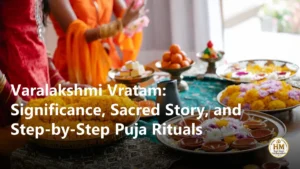
Varalakshmi Vratam is a sacred Hindu ritual dedicated to Goddess Lakshmi, celebrated on the Friday before the full moon in the auspicious month of Shravana. Observed primarily by women for family welfare, longevity, and prosperity, this fast invokes the Ashta Lakshmis to bestow material abundance, inner peace, and spiritual fulfillment.
The holy month of Shravana is revered across the Indian subcontinent as a sanctified period dedicated to intense prayer, fasting, and devotional celebrations. Every Friday in this auspicious month carries immense spiritual sanctity, yet the Friday preceding the full moon day holds supreme reverence. On this sacred day, millions of households observe Varalakshmi Vratam to invite the goddess of supreme abundance into their homes and consciousness.
The name of this observance contains its profound promise; the word ‘Vara’ signifies a boon or divine grace, while ‘Lakshmi’ embodies prosperity, auspiciousness, and spiritual illumination. Through the sincere <a href=”https://ramthamedia.in/goddess-lakshmi/”>worship of Goddess Lakshmi</a>, devotees do not merely ask for transient material wealth, but seek holistic well-being encompassing health, longevity, righteous progeny, and spiritual wisdom.
In contemporary times, when domestic life is often clouded by stress, discord, and material anxiety, this ancient ritual functions as a powerful spiritual anchor. It unites families in collective prayer, rejuvenates domestic harmony, and reinforces the sanctity of the household as an altar of divine energy.
Read the complete Telugu edition of this article.
The Essence and Purpose of Varalakshmi Vratam
Varalakshmi Vratam is rooted in the belief that Goddess Lakshmi is the benevolent mother who eagerly responds to the earnest call of her devotees. Unlike austere penances that demand renunciation of worldly duties, this vrata is specifically designed for householders. It celebrates the sanctity of married life, family welfare, and domestic prosperity. Married women observe the fast with profound reverence, praying for the longevity and good health of their spouses, the righteous upbringing and success of their children, and peaceful stability in their homes.
The scriptures state that worshipping Goddess Lakshmi in the form of Varalakshmi is equivalent to propitiating the Ashta Lakshmis—the eight divine aspects of wealth that govern human existence. These eightfold blessings comprise Adi Lakshmi (primeval energy), Dhanya Lakshmi (agricultural abundance), Dhairya Lakshmi (courage and resilience), Gaja Lakshmi (royal majesty and power), Santana Lakshmi (virtuous progeny), Vijaya Lakshmi (triumph over obstacles), Vidya Lakshmi (sacred knowledge), and Dhana Lakshmi (monetary prosperity). Therefore, Varalakshmi Vratam serves as a comprehensive spiritual gateway to both worldly fulfillment and supreme peace.
RECOMMENDED BOOK
The Maya Simulation: Quantum Physics and the Science of Consciousness
by A. Ravinder
A guide that bridges the ancient wisdom of the Yoga Vasistha with quantum physics and modern consciousness science — for readers ready to question the nature of reality and calm the mind with practical tools like the Zero Voice Technique.
As an Amazon Associate, RamthaMedia can earn from qualifying purchases.
The Sacred Legend of Charumati and Varalakshmi Vratam
The origin of Varalakshmi Vratam is immortalized in the sacred Puranas through the inspiring story of a noble woman named Charumati. In ancient times, in the prosperous city of Kundina within the kingdom of Magadha, Charumati lived as an embodiment of devotion, humility, and steadfast righteousness. She honored her husband with deep affection, served her elders and in-laws with genuine care, and maintained a serene domestic sanctuary through her spotless conduct and generous hospitality toward guests.
Pleased with her unblemished character and unwavering piety, Goddess Lakshmi appeared in Charumati’s dream on a serene night. The divine mother instructed her to perform the Varalakshmi Vratam on the Friday preceding the Shravana full moon, assuring her that this observance would bless her home with boundless grace. When Charumati shared this vision with her husband and family, they joyfully encouraged her to conduct the worship. Together with the women of the neighborhood, she performed the rituals with pristine devotion. Instantly, their households blossomed with untold prosperity, health, and joy, establishing a tradition that has resonated through centuries as documented in the <a href=”https://en.wikipedia.org/wiki/Varalakshmi_Vrata”>traditional observance of Varalakshmi Vrata</a>.
Essential Preparations and Mandapam Setup for Varalakshmi Vratam
The execution of Varalakshmi Vratam begins at dawn with meticulous physical and spiritual purification. Devotees awaken during the Brahma Muhurta, bathe thoroughly, wear clean traditional attire, and clean the entire house to invite divine vibrations. A sacred altar or Mandapam is carefully constructed in the northeast or east corner of the pooja room. A wooden plank is decorated with sacred geometric rangoli designs drawn using freshly ground rice flour, and covered with a new, sanctified cloth.
At the center of the Mandapam, a brass or silver pot, known as the Kalasham, is ceremonially installed. The pot is filled with fresh water, fragrant sandalwood paste, turmeric, kumkum, sacred akshata, a silver coin, and perfumed flowers. Mango leaves are arranged around the rim of the pot to symbolize eternal life and continuous growth, upon which a husked coconut is placed. A sanctified face of Goddess Lakshmi, crafted from turmeric or silver, is fastened to the coconut and adorned with radiant silk garments, gold ornaments, and fragrant jasmine garlands, transforming the vessel into a living embodiment of the divine mother.
Step-by-Step Shodashopachara Puja Ritual for Varalakshmi Vratam
Every sacred ritual in the Vedic tradition begins with humble <a href=”https://ramthamedia.in/lord-ganesha/”>reverence to Lord Ganesha</a>, invoking his blessings to remove all obstacles from the path of devotion. After making a small turmeric idol of Ganesha and reciting his sacred mantras, the devotee declares the Sankalpa—a conscious intention stating their lineage, name, and spiritual purpose behind conducting the Varalakshmi Vratam. This mental resolution aligns the practitioner’s consciousness with cosmic grace, turning ritual action into focused meditation.
The core worship proceeds through the sixteen formal services of hospitality, known as the Shodashopachara Puja. The devotee welcomes Goddess Lakshmi through Avahana, offers her a seat (Asana), washes her feet (Padya), offers water for purification (Arghya and Achamaniya), and performs the ceremonial bath (Snana). She is then adorned with fresh garments (Vastra), sacred ornaments (Abharana), fragrant sandalwood (Gandha), and sacred lotus blossoms (Pushpa). Chanting the 108 names of the goddess through the Lakshmi Ashtottara Shatanamavali, the practitioner offers incense (Dhupa), illuminating lamps (Dipa), traditional sweet preparations like payasam (Naivedya), betel leaves (Tambula), and concludes with the radiant camphor flame (Mangala Harathi).
The Sacred Thora Puja and Vayanam in Varalakshmi Vratam
A distinctive and indispensable element of Varalakshmi Vratam is the consecration of the Thora, a sacred yellow cotton thread prepared with nine strands and nine distinct knots. Each knot represents one of the nine divine energies or forms of the Goddess. The thread is placed before the Kalasham and sanctified with sacred mantras that pray for the realization of the four legitimate pursuits of human life: Dharma (righteousness), Artha (economic wealth), Kama (harmonious desire), and Moksha (spiritual liberation). After the puja, the worshipper ties this sanctified thread around the right wrist as an armor of divine protection.
Following the recitation of the vratam story, the celebration culminates in the generous distribution of Vayanam. Married women are invited home as living representatives of the Goddess, where they are honored with turmeric, vermilion, glass bangles, flowers, fruits, and homemade delicacies. This sharing of auspicious items fosters mutual love, community bonding, and spiritual goodwill. The ritual concludes with a heartfelt prayer for forgiveness (Kshama Prarthana), acknowledging that pure devotion transcends any procedural shortcomings.
📖 Sri Krishna Janmashtami — The True Story, Archaeo-Astronomy, and Sacred Rituals
Cultural Harmony and Cosmic Blessings of Varalakshmi Vratam
Varalakshmi Vratam transcends individual ritualistic prayer to serve as a cornerstone of Indian cultural unity and domestic stability. It places women at the spiritual helm of the family, recognizing their vital role as the nurturing custodians of values, peace, and prosperity. When the household comes together to support and participate in the rituals, interpersonal frictions dissolve, making space for collective reverence and joy. The home transforms into a sanctified space where mutual respect and spiritual dedication flourish effortlessly.
Beyond its sociological benefits, the festival acts as an annual renewal of one’s ethical and spiritual commitment. It reminds humanity that true wealth is multifaceted and must always be acquired through righteous means. Just as pilgrims journey toward the <a href=”https://ramthamedia.in/sri-venkateswara-swamy/”>divine abode of Sri Venkateswara Swamy</a> to experience the grandeur of cosmic grace, observing this vratam brings that exact divine atmosphere into the quiet sanctuary of one’s own living room, as also highlighted in <a href=”https://www.britannica.com/topic/Lakshmi”>Encyclopedia Britannica’s account of Lakshmi</a>.
Spiritual Meaning of Varalakshmi Vratam
At an esoteric level, Varalakshmi Vratam symbolizes the conscious awakening of divine abundance within the human heart. The Kalasham represents the physical human body, while the pure water inside signifies the unblemished mind. The mango leaves symbolize fresh spiritual impulses, and the coconut represents the ego that must be offered completely at the feet of the divine mother. When the mind is filled with purity and the ego is surrendered, the radiant consciousness of Mahalakshmi naturally manifests within the practitioner.
The nine knots of the sacred Thora represent mastery over the nine sensory and mental gates of the human body. By invoking divine grace upon these knots, the seeker harmonizes their sensory perceptions and channels their vital energies toward the four Purusharthas—Dharma, Artha, Kama, and Moksha. This demonstrates that Hindu spiritual practices do not demand ascetic withdrawal from life, but rather advocate an enlightened engagement where material prosperity serves the higher goal of spiritual liberation.
Furthermore, worshipping the eight forms of Lakshmi reveals that wealth is not merely paper currency or gold. True wealth includes moral fortitude, intellectual brilliance, health, courageous perseverance, and harmonious relationships. By honoring the mother principle as the supreme source of all these dimensions, the practitioner dissolves petty greed and develops a state of perpetual gratitude and inner fullness.
In today’s fast-paced digital world, where material anxiety and emotional disconnection are widespread, Varalakshmi Vratam offers a practical sanctuary of mindfulness and intentional living. By taking time to prepare the sacred space, chant mantras with focused attention, and honor family members and guests with generous gifts, we break free from transactional lifestyles. This observance reminds us to treat our homes as temples and our daily labor as an offering to the divine, transforming ordinary domestic routines into an enduring journey of peace and abundance.
👉 PANCA Sheesham Wooden Kapoor Dani Puja Diffuser Review
Chapter Summary
Varalakshmi Vratam stands as one of the most auspicious and cherished spiritual observances in the Hindu tradition, celebrated on the Friday before the Shravana full moon. The ritual honors Goddess Lakshmi as the ultimate bestower of boons, encompassing both worldly prosperity and spiritual liberation. Through the historical narrative of Charumati, the tradition demonstrates that sincere devotion, ethical conduct, and genuine family care invite the boundless presence of the Ashta Lakshmis into one’s home. The comprehensive worship includes the ceremonial Kalasha Sthapana, the sixteen-step Shodashopachara Puja, the consecration of the nine-knotted Thora thread, the reading of the sacred katha, and the generous distribution of Vayanam to married women. By unifying families, purifying minds, and elevating domestic spaces into sanctified altars, Varalakshmi Vratam provides a timeless path toward material fulfillment, emotional harmony, and higher spiritual wisdom.
Scripture Notes
- Main Message: The primary scriptural message of Varalakshmi Vratam is that divine grace descends upon those who cultivate purity of heart, selfless devotion, and dedicated service to their families and society. As exemplified by Charumati in the Bhavishyottara Purana, God does not demand esoteric scholarly mastery or harsh ascetic mortification; rather, an unblemished character coupled with sincere faith is all that is required to attain the supreme grace of the divine mother.
- Philosophical Teaching: Philosophically, the vratam establishes the profound synthesis between material abundance (Pravritti) and spiritual liberation (Nivritti). Sanatana Dharma teaches that wealth and desire, when anchored firmly in righteousness (Dharma), become direct vehicles for supreme liberation (Moksha). Goddess Varalakshmi represents the non-dual cosmic energy that sustains the universe, teaching the seeker that all physical resources are sacred manifestations of the divine to be utilized with wisdom, restraint, and selfless generosity.
Frequently Asked Questions
📖 Hindu Scriptures: The Essential Sacred Texts Every Hindu Must Read
When is Varalakshmi Vratam celebrated?
Varalakshmi Vratam is observed every year on the Friday immediately preceding the full moon day (Purnima) in the holy Hindu month of Shravana, which typically corresponds to the months of July or August in the Gregorian calendar.
Who can observe Varalakshmi Vratam?
While traditionally observed with great enthusiasm by married women (sumangalis) for the longevity and prosperity of their families, any sincere devotee, regardless of gender or marital status, can worship Goddess Varalakshmi with faith and reverence to seek her divine blessings.
What is the significance of the nine-knotted Thora thread?
The Thora is a sacred yellow cotton thread prepared with nine strands and nine knots, representing the nine forms of divine energy. It is consecrated during the puja with Vedic mantras and tied around the right wrist to invoke divine protection and the successful fulfillment of the four Purusharthas.
What should one do if they miss observing Varalakshmi Vratam on the prescribed Friday?
If a devotee cannot perform the ritual on the designated Shravana Friday due to unforeseen circumstances, illness, or menstrual periods, traditional custom allows them to observe the vratam on any subsequent Friday of the same Shravana month or during the Friday preceding Navaratri in the month of Ashvina.
External Source Links
🛒 Related: a review of a brass pooja thali set suited for this vratam, on RamthaMedia.