
Sage Valmiki deemed Arishtanemi worthy upon recognizing his discernment to distinguish between the eternal and the transient, and his genuine desire for liberation from the impermanent world.
Having renounced even celestial pleasures, King Arishtanemi arrived at the hermitage of Sage Valmiki in search of self-knowledge. He reverently asked the sage how Sri Rama crossed the turbulent ocean of worldly existence through self-inquiry. In response, Sage Valmiki revealed the divine command given by Lord Brahma to relieve the suffering of all seekers of liberation, inaugurating the sublime teachings of Yoga Vasistha.
📚 Yoga Vasistha — full guide & all episodes
The Story of Arishtanemi – Introduction
Finding an authentic spiritual master is the fruit of immense merit gathered across lifetimes. King Arishtanemi, having turned away from the transient pleasures of heaven to seek everlasting liberation, was guided directly to the feet of an enlightened guru. That master was Sage Valmiki, who gifted the epic Ramayana to humanity. From his arrival at the serene hermitage to his profound inquiry into Sri Rama’s journey of self-realization, Arishtanemi’s quest serves as a timeless guide for every sincere seeker.
Arishtanemi Arrives at Sage Valmiki’s Hermitage
Guided by the celestial messenger, King Arishtanemi stepped into Sage Valmiki’s ashram. An atmosphere of pristine purity, profound silence, and spiritual joy enveloped the entire hermitage. Young disciples chanted verses from the Sama Veda in melodious harmony, while others joyfully recounted tales of Sri Rama’s incarnation. The gentle breezes seemed to whisper reminders of devotion, wisdom, and dispassion to every living being, as the sprawling trees resonated with peaceful rustles.
Sage Valmiki sat on an elevated seat, his countenance radiating the bliss of Brahman. Filled with deep devotion and reverence, Arishtanemi approached the sage and prostrated before him in full surrender. Valmiki received the king with immense warmth and invited him to be seated.
The Prayer of King Arishtanemi
Bowing his head before the sage, Arishtanemi spoke with deep humility:
“O revered Sage Valmiki! Bound by worldly attachments, I have endured endless sorrows. By the grace of this celestial messenger, I am blessed with your holy presence today. Revered father, you composed the great epic Ramayana and bestowed an immense boon upon the world. Yet, a deep inquiry remains in my heart. Through what process of self-inquiry did Sri Rama and other noble beings effortlessly cross this perilous ocean of worldly existence? Please bestow that sacred knowledge upon me and purify my soul with your words.”
RECOMMENDED PRODUCT
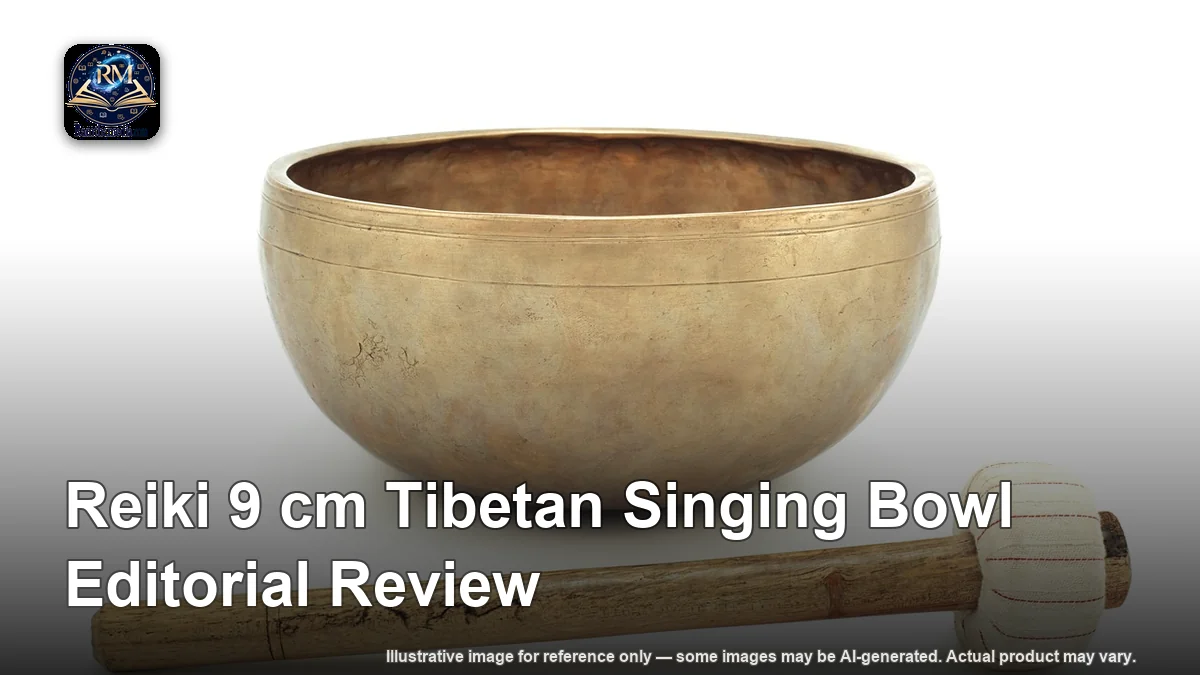
Reiki 9 cm Tibetan Singing Bowl Editorial Review : How can this product help you?
This review examines the Reiki using verified buyer feedback and the manufacturer’s listed specifications. Establishing a calm morning meditation ritual or dedicated prayer… The Reiki 9 cm Tibetan Singing Bowl meets this exact requirement by offering a dense 300 g cast metal alloy structure paired with a purpose-built wooden striker stick. Its… The Reiki 9 cm Tibetan Singing Bowl is a compact metal alloy meditation instrument engineered for personal sound therapy, mindfulness, and quiet prayer spaces. It produces a…
Read more about this productBuy on Amazon
As an Amazon Associate, RamthaMedia earns from qualifying purchases.
Valmiki’s Resolve to Instruct Arishtanemi
Hearing this profound inquiry from King Arishtanemi, Sage Valmiki paused in silence for a moment, recognizing the king’s spiritual readiness. The sage saw clearly that the king possessed keen discernment to distinguish the eternal from the ephemeral, making him fully qualified to receive Yoga Vasistha, the ultimate philosophical conclusion of the Ramayana. Moved by unconditional compassion for all seeking souls, Valmiki resolved to impart this sorrow-destroying Vasistha Ramayana. Meditating upon the Supreme Self through dhyana, he commenced his sacred discourse.
The Discourse Begins
Sage Valmiki began by bowing to the omnipresent Supreme Reality. He paid homage to that self-luminous Brahman who pervades heaven, earth, and the netherworlds alike.
“O King, I now impart to you this Maha Ramayana, which reveals the indivisible nature of the Self. If you listen with focused reverence and earnest effort, you shall attain the state of liberation in this very life, here and now.”
Those blinded by the false conviction that ‘I am this body’ are not yet eligible for this subtle inquiry into the Self. To break free from the bondage of this transient objective world, one must possess an intense longing for self-knowledge. Only those endowed with such burning aspiration are truly fit to receive this teaching.
Contemplating the first seven books (kandas) of the Ramayana purifies the mind on the path of active duty (pravritti). With that cleansed mind, this comprehensive philosophical epic spanning six sections (prakaranas) serves as the vehicle for deep meditation. For seekers traveling the inward path of renunciation (nivritti), it unfailingly bestows ultimate liberation.
Brahma’s Mandate and the Prayer of Bharadwaja
The sage then recounted how this supreme wisdom descended into the mortal world.
📖 The Final Lesson a Sage Learned from King Janaka | Story of Sage Shuka | Yoga Vasistha S2 EP-2
Having envisioned Sri Rama’s life through divine sight, Valmiki had composed the Ramayana in twenty-four thousand verses. He taught the sacred poem to his beloved disciple Bharadwaja, a sage of immense intellect, flawless memory, and humility. Later, Bharadwaja traveled to Mount Meru and recited the entire narrative before Lord Brahma.
Deeply pleased by the recitation, Lord Brahma said: “My child, this epic will bring immense welfare to humanity. Ask of me any boon you desire.” Bharadwaja, seeking nothing for himself, asked a selfless boon for all living beings: “O Lord, the suffering of humanity knows no end. Please reveal the secret knowledge through which human beings can be freed forever from the repeated sorrows of birth and death.”
Lord Brahma brought Bharadwaja back to Sage Valmiki’s hermitage and commanded: “Valmiki, complete without hesitation this great philosophical epic you have begun. You have beautifully narrated the historical narrative in seven kandas. Now, teach your devoted disciple Bharadwaja the ultimate self-inquiry through which Sri Rama received Vasistha’s wisdom and realized his true Self. Through this inquiry, mortals will effortlessly cross the ocean of mundane existence.” Having delivered this command, Lord Brahma vanished.
Valmiki looked at Arishtanemi: “That supreme truth commanded by Lord Brahma is what I now bestow upon you out of affection. One who attains this sublime self-knowledge forever transcends grief, delusion, and bodily identification, abiding eternally in the true Self.”
The Nature of Reality – The True Essence of the Perceived World
The sky is essentially an empty void, yet it appears blue to human eyes. Just as one ceases to be deceived by that blueness once its illusory nature is understood, the perceived world is likewise a mental projection, reveals Yoga Vasistha. This objective universe exists solely as an imagination of the mind. When one realizes the unreality of the world, all anxieties, emotional agitations, and fears of worldly life dissolve completely.
The World – A Projection of the Mind
The mind, the individual soul (jiva), and the objective world are inextricably linked. Unless an experience arises in the mind, the world holds no existence for the observer; the cosmos is born in the mind and dissolves within it. Why does the exact same object evoke joy in one person and sorrow in another? Because while the object remains identical, the perceiving mind’s condition differs. Therefore, when the perceiving mind is transformed, the very nature of one’s world transforms. Under no circumstance or time is this manifest universe permanent. Recognizing this truth is the dawn of wisdom.
RECOMMENDED BOOK

The Maya Simulation: Quantum Physics and the Science of Consciousness by A. Ravinder
Is the world around us real? Or is it just a Maya Simulation?
A guide that bridges the ancient wisdom of the Yoga Vasistha with quantum physics and modern consciousness science — for readers ready to question the nature of reality and calm the mind with practical tools like the Zero Voice Technique. It explores mind, maya and consciousness in plain language, and offers a practical path for the seeker on the spiritual journey. Available in print and ebook instant-read versions.
Buy on AmazonBuy on Ramthamedia
As an Amazon Associate, RamthaMedia earns from qualifying purchases.
Self-Inquiry – The Sole Path to Liberation
Born of illusion, this manifest universe possesses no independent reality apart from the Self. Discarding the delusion that ‘I am the body’ and realizing ‘I am the Self’ is liberation. Setting aside worldly ambitions and mere intellectual attachment to scriptures, one must strive solely for self-knowledge. Every endeavor of a seeker must align with the realization of the Self.
The mind is purified through selfless action, meditation, listening to sacred truth (shravana), and contemplation (manana). When the mind becomes completely serene, latent tendencies (vasanas) dissolve naturally. In that immaculate clarity, the Self shines forth in its intrinsic radiance.
Types of Latent Tendencies – The Chains of Bondage
Latent tendencies (vasanas) are broadly classified into two categories:
- Pure tendencies (Shuddha Vasanas): Those that lead directly to spiritual awakening and wisdom.
- Impure tendencies (Malina Vasanas): Those that perpetuate spiritual ignorance and bodily attachment.
Above all, egoism and attachment to the physical body keep a person in perpetual bondage. Overcoming these is the supreme objective of a spiritual seeker. Latent tendencies rooted in egotism and bodily craving plunge the soul into grief. Only by conquering them does the individual attain ultimate liberation.
Spiritual Essence of Arishtanemi’s Journey
Self-inquiry conducted with a purified mind is the only path to supreme wisdom; ritual actions serve merely to cleanse the mind. As long as bodily identification persists, the objective world continues to bind the soul. The inquiry commanded by Lord Brahma stands as the sole bridge across the ocean of worldly sorrow. Bharadwaja exemplified the selfless compassion required of an authentic seeker by requesting liberation for all mankind rather than a personal boon. Arishtanemi’s narrative highlights the rigorous inner purity prerequisite for spiritual freedom.
In his peaceful ashram, Sage Valmiki initiated King Arishtanemi into the profound wisdom of the Self. He outlined the very path of self-inquiry through which Sri Rama triumphed over worldly delusion. Under Brahma’s mandate, Valmiki’s mission was to offer this knowledge to eradicate universal suffering. Realizing that the objective world is an illusion and that all manifestation is pure Consciousness constitutes wisdom. Dissolving mental tendencies and realizing the Self remains the core message of Yoga Vasistha. Every action and reflection in daily life should lead toward this inner awakening.
Chapter Summary – Arishtanemi’s Path to Liberation
Having renounced celestial joys for self-realization, King Arishtanemi sought refuge at Sage Valmiki’s feet and asked how Sri Rama crossed worldly delusion. Recognizing Arishtanemi’s spiritual maturity, Valmiki commenced the teachings of Yoga Vasistha. He shared how Lord Brahma had commanded him to transmit this wisdom to Bharadwaja for the deliverance of all mortals. This chapter reveals the nature of reality and explains that the world is a projection of the mind. Through Arishtanemi’s quest, Valmiki emphasized that giving up bodily attachment and engaging in self-inquiry is the sole avenue to liberation.
Sacred Scripture Notes
- Core Message: Permanent liberation from worldly bondage is attained only by relinquishing bodily identification and practicing sustained self-inquiry.
- Key Philosophical Teaching: The perceived universe is transient. Through discernment between the eternal and the ephemeral, and by absorbing the indivisible truth, liberation in this life (jivanmukti) is possible right here and now.
- Memorable Quote: “Reveal to me the inquiry through which Sri Rama effortlessly crossed this insurmountable ocean of worldly existence.”
- Practical Reflection: Aspiring for the welfare and spiritual liberation of all beings, just as Bharadwaja did rather than seeking selfish gains, is the highest spiritual discipline.
- Connection to the Next Chapter: The narrative now moves directly into the royal court of Ayodhya, unfolding how Sage Vasistha began his magnificent philosophical instruction to Sri Rama.
Frequently Asked Questions (FAQ) on Arishtanemi’s Story
1. What did Arishtanemi pray to Sage Valmiki? Arishtanemi requested Sage Valmiki to teach him the precise method of self-inquiry by which Sri Rama and other liberated beings effortlessly crossed the ocean of worldly delusion.
2. Why did Sage Valmiki consider Arishtanemi qualified for this knowledge? Valmiki recognized that Arishtanemi possessed sharp discernment between the eternal and the unreal, had renounced heavenly pleasures, and held an intense longing for final liberation.
3. What is the difference between the narrative Ramayana and this philosophical Maha Ramayana (Yoga Vasistha)? The seven-kanda narrative Ramayana purifies the seeker’s mind along the path of action and virtue, whereas the six-prakarana Yoga Vasistha provides direct self-inquiry on the inward path of renunciation leading to liberation.
4. What boon did Bharadwaja ask of Lord Brahma? Bharadwaja selflessly requested the secret wisdom through which all human beings could be eternally freed from the relentless cycle of birth, death, and worldly suffering.
5. What was Lord Brahma’s command to Sage Valmiki? Lord Brahma instructed Valmiki to complete the grand epic by imparting to Bharadwaja the supreme wisdom through which Sri Rama realized the Self under Vasistha’s guidance.
6. Is this world real or an illusion? The world is an illusory projection of the mind. Once true self-knowledge dawns, the manifest universe is recognized as transient and unreal, like the blueness of the empty sky.
7. How can latent tendencies (vasanas) be conquered? Latent tendencies dissolve naturally when the mind is purified through selfless duty, meditation, listening to truth (shravana), and deep contemplative inquiry.
8. What did Sage Valmiki teach King Arishtanemi? Sage Valmiki taught King Arishtanemi the sacred path of self-inquiry and non-attachment through which Sri Rama crossed the ocean of worldly existence.
Conclusion — Arishtanemi’s Vision of Dispassion
Only those endowed with profound dispassion toward transient pleasures and an intense thirst for self-realization can absorb the wisdom of Yoga Vasistha. Through the divine resolve of Lord Brahma and the sincere quest of King Arishtanemi, this eternal stream of liberating wisdom remains accessible to all seekers as a tremendous blessing.


